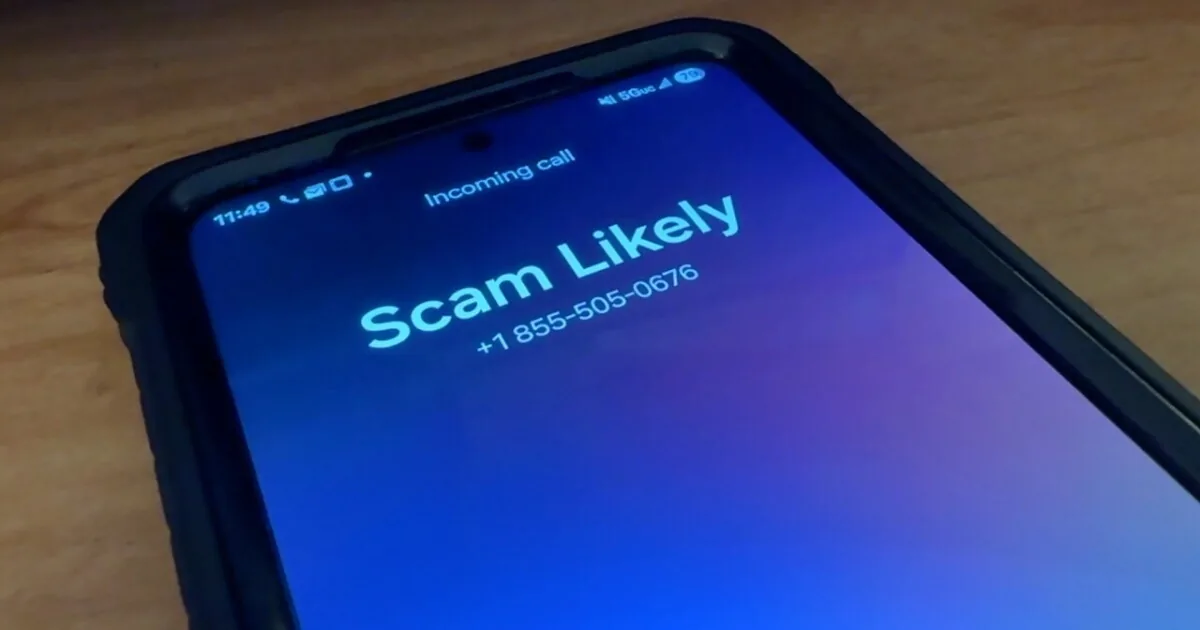
LAS VEGAS, NV — The Las Vegas Metropolitan Police Department is warning residents about scammers who are pretending to be law enforcement in order to steal money and sensitive personal information. Police say the schemes rely on fear, urgency and official-sounding language to pressure people into acting before they can verify what is happening.
The warning comes as Nevada has been ranked near the top of states reporting cybercrime and money lost to online scams, according to the FBI’s Internet Crime Complaint Center. LVMPD said the fraud attempts can involve fake police officers, deputies or federal agents, along with spoofed caller IDs, emails and text messages.
How scammers are trying to sound legitimate
LVMPD said the people behind these calls and messages may use real names, badge numbers and legal terminology to make the contact seem credible. Police described the tactics as a mix of vishing, phishing, smishing and impersonation scams, all designed to create fear and a sense that the victim has no time to think.
The department said scammers may threaten warrants, arrests or other legal trouble to keep victims on the line. In some cases, the caller tries to sound like an officer or investigator and pushes the person to respond immediately instead of checking the claim through official channels.
Police said the spoofed contact information can make the scam appear more believable, even when the number, email address or text message is fake. The goal is to get people to comply before they realize they are not dealing with a real agency representative.
What Metro says it will never demand
Metro says it will never ask for money in exchange for clearing a warrant or avoiding an arrest. The department also says officers will not demand payment through gift cards, cryptocurrency or cash mailed through the postal service.
Police said they also will not ask for sensitive personal information over the phone or by text in the way scammers do. Another warning sign, according to LVMPD, is any caller who refuses to let a person hang up and verify the situation independently.
The department is urging residents to treat those demands as a red flag. Even if the person on the line uses a real name or badge number, Metro says that alone does not prove the contact is genuine.
Steps police say to take right away
LVMPD’s first instruction is simple: hang up immediately. Police said people should not argue with the caller, push buttons or keep engaging in the conversation once the warning signs appear.
After disconnecting, residents should find the agency’s official phone number on their own and call it directly. Metro said people should never use a callback number given by the caller, because that number may lead back to the scammer.
The department also advises people to delete suspicious legal texts or notices and avoid opening attachments or clicking unknown links. Those steps can reduce the chance of giving scammers access to more information or allowing malware onto a device.
Why the warning matters now in Nevada
Police tied the alert to a broader rise in cybercrime complaints and online scam losses in Nevada. The FBI’s Internet Crime Complaint Center recently ranked the state near the top of all states reporting both cybercrime and financial losses from online fraud.
That backdrop helps explain why local agencies are spending more time warning people about phone, text and email schemes that borrow the language of law enforcement. The impersonation angle can be especially effective because many people assume an official badge number or agency name means the contact must be real.
LVMPD’s warning is aimed at reducing that trust gap before residents are tricked into paying money or sharing private details. Police said anyone who is unsure should verify the contact first rather than respond under pressure.
Where victims should report suspected fraud
Residents who think they are being targeted are being asked to report the scam to local law enforcement and to the FBI’s Internet Crime Complaint Center at ic3.gov. Police said those reports can help authorities track patterns and alert others before more people are harmed.
LVMPD’s message is that scam callers often rely on surprise and embarrassment to keep victims quiet. By reporting the attempt quickly, police say people can help limit the spread of the scheme and give investigators a better picture of how the fraud is being carried out.
The department’s warning also serves as a reminder that official agencies do not conduct business through intimidation. When a call, text or email demands immediate payment or personal data, LVMPD says the safest response is to stop, verify and report.
Local stories that matter, from GHS The Student.