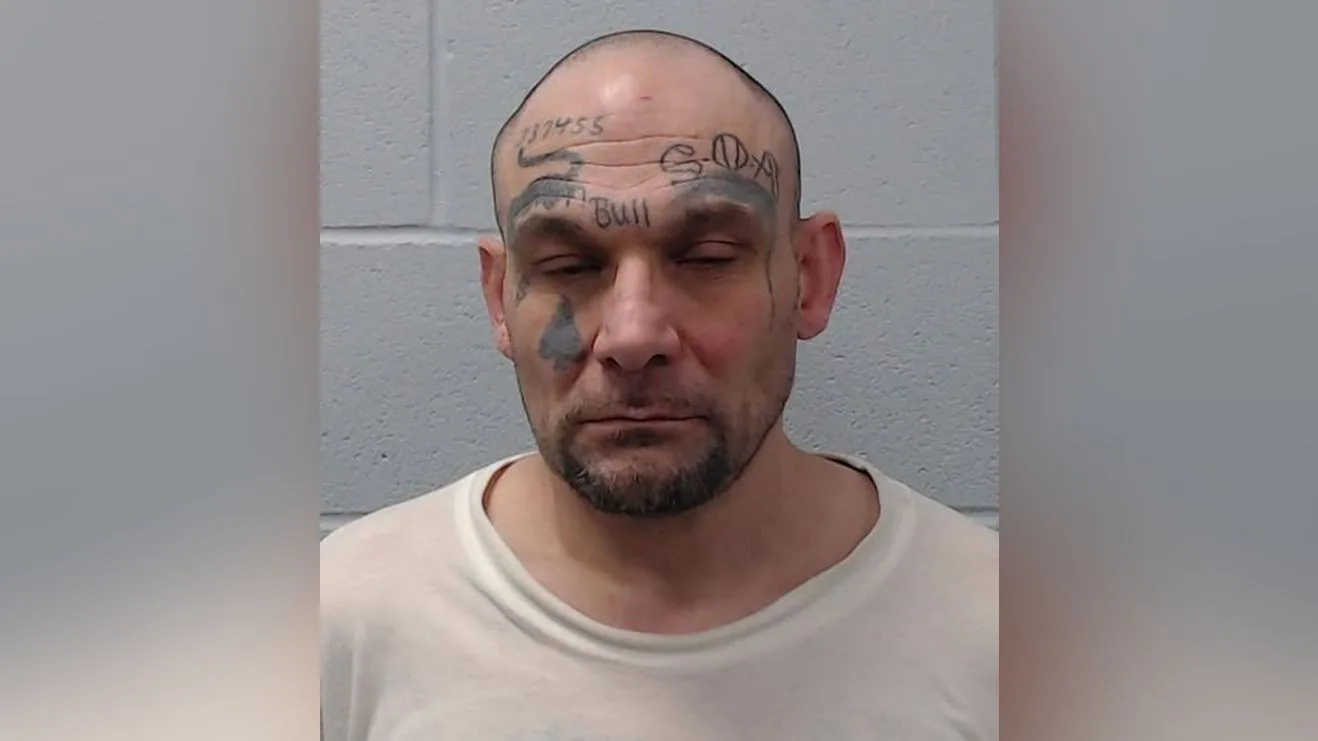
MEMPHIS, TN — A Tennessee prosecutor has cleared a federal agent in a deadly shooting inside a Memphis Burger King and made surveillance footage public to explain the decision. Shelby County District Attorney Steve Mulroy said the video supports his finding that the use of force was justified when DEA Agent Levy Blandon shot 41-year-old Darrin Pigram in May.
Mulroy said he released the footage Thursday “in the interest of transparency” after deciding not to file charges earlier in the week. He said he met privately with Pigram’s family and showed them the video before telling their attorney it would be released to the public. The only recording of the encounter came from restaurant security cameras because none of the agents involved wore body cameras.
How the May 13 arrest attempt unfolded at the Burger King
The shooting happened around 9:24 a.m. on May 13, when members of the Memphis Safe Task Force went to the restaurant to serve Pigram with an arrest warrant. The unit included DEA agents and Memphis police officers.
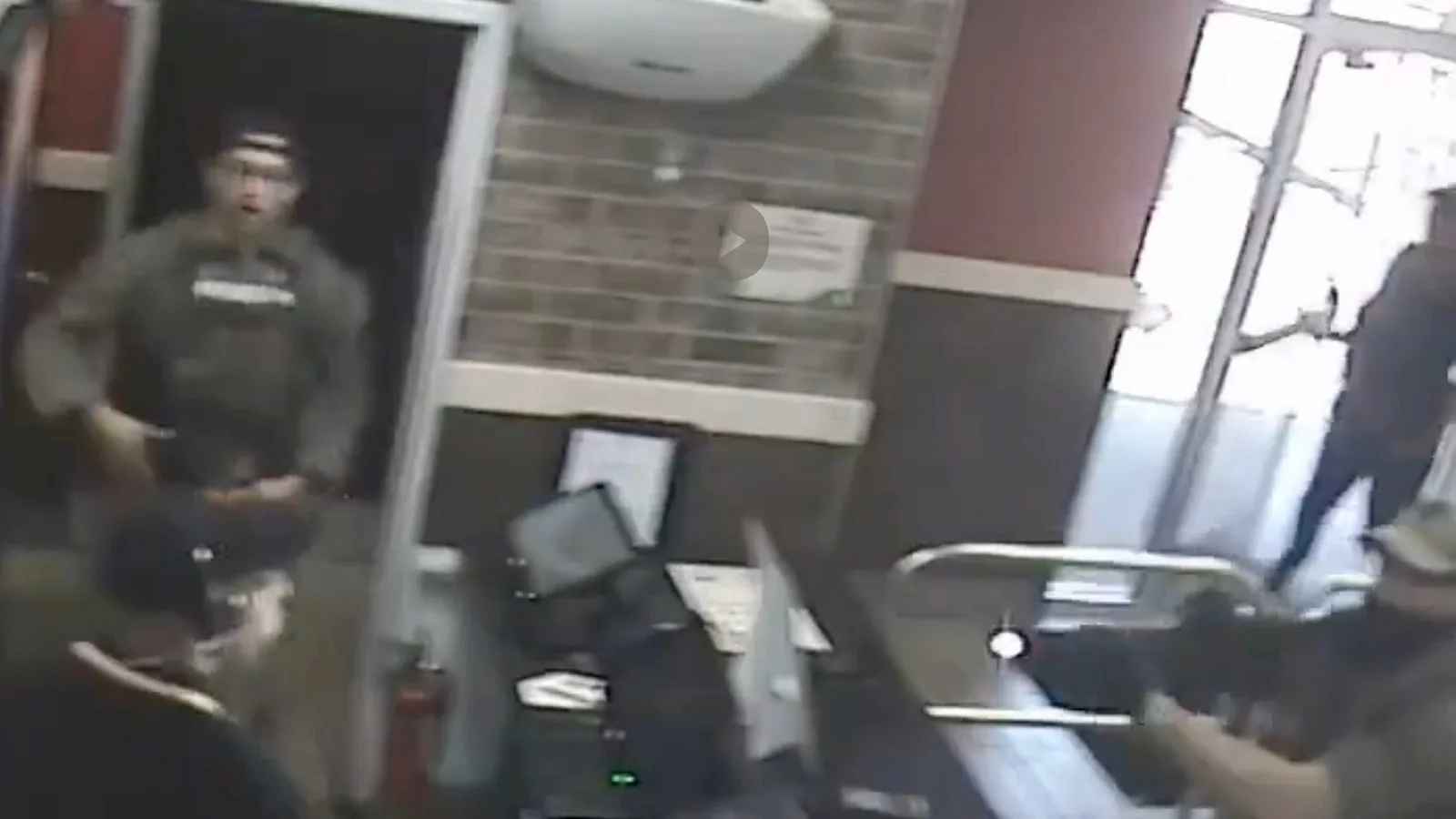
According to Mulroy’s letter, Pigram was wanted on charges tied to a felony aggravated assault case. The surveillance video released by the district attorney shows officers entering with long guns and confronting Pigram near the front counter. The footage has no audio, but it captures the tense sequence that followed as officers tried to take him into custody.
Pigram opened a security door that allowed officers behind the counter, then appeared to push them back toward a hallway and tried to close the door. Officers forced their way through as Pigram retreated toward the kitchen area. The video does not show the exact moment Blandon fired, but employees can be seen ducking for cover as Pigram falls near the drive-thru window.
Why Mulroy said the shooting was justified
Mulroy said his decision not to seek charges was based on an investigation by the Tennessee Bureau of Investigation. That review, he said, concluded Pigram was reaching for a handgun when Blandon shot him.
In a letter explaining the decision, Mulroy wrote that Blandon fired only after seeing Pigram lift his shirt and reach for a handgun partially hidden in his waistband. The district attorney said that once Blandon saw that movement, he had no time to warn Pigram that force would be used.
Mulroy concluded that the force used was lawful and said it was the only choice available to the agent given the sudden reach toward the weapon. He said the video, along with the investigative findings, supported his determination.
Statements from officers and investigators after the shooting
Mulroy’s letter also describes what the officers involved told investigators after the shooting. He said they reported Pigram became “visually and verbally aggressive” after being told there was an arrest warrant.
According to the account summarized in the letter, Blandon and other officers said Pigram resisted arrest and allegedly told them, “shoot me.” Mulroy wrote that Blandon first fired three shots and then several more.
Another DEA agent told investigators that after Pigram fell, he saw a gun in Pigram’s waistband and bent down to remove it. Blandon stopped him, saying the scene needed to be preserved because neither agent had a body-worn camera. Mulroy said Blandon told the other agent to leave the weapon alone until its position could be documented.
What the released video shows and does not show
The surveillance footage released by Mulroy is graphic but limited. It does not contain audio, and it does not show the exact instant Blandon fired his weapon. Even so, the district attorney said it provided the clearest available record of the confrontation inside the restaurant.
The video shows the officers moving behind the counter, the struggle around the security door, and Pigram retreating toward the kitchen. It then shows the aftermath, including employees taking cover and Pigram collapsing near the drive-thru area.
Mulroy said no officer-worn body-camera footage existed from the agents involved, leaving the restaurant security system as the only visual record. That absence made the surveillance video central to both the legal review and the public explanation of why charges would not be filed.
The legal backdrop and the public release of the footage
Mulroy’s statement noted that Tennessee law allows most adults to carry a loaded handgun on their person, openly or concealed, without a permit. Memphis police also point to that law on their website. The district attorney included that detail as part of his explanation for the case, but said the issue before him was whether the shooting itself was criminal.
ABC News said it reached out to the family’s attorney, who was not immediately available for comment Thursday. Mulroy said he had already shared the video privately with the family before making it public.
The release brings the case into the open after months of review and leaves Mulroy’s decision intact: no charges against Blandon. The district attorney said the footage confirmed what investigators had concluded about the moment Pigram reached for a concealed handgun.
Local stories that matter, from GHS The Student.