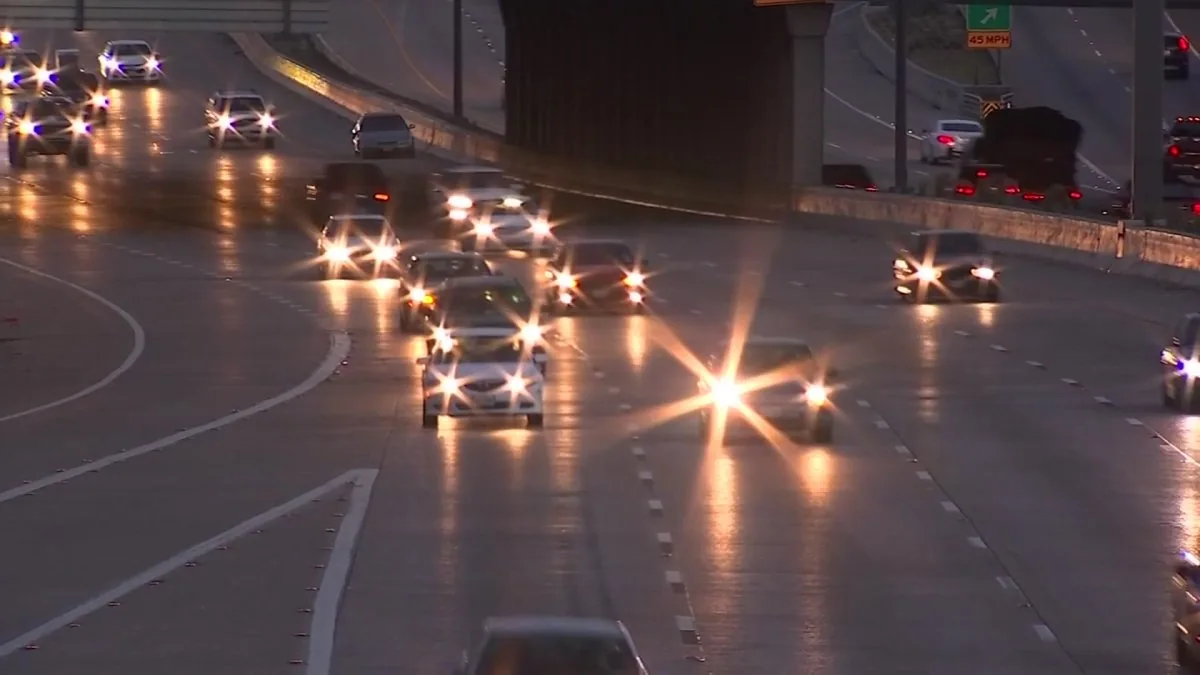
DALLAS, TX — Drivers stopped on Dallas’ major highways may soon be talking to a Dallas police officer instead of a sheriff’s deputy or state trooper. The department is preparing to assume traffic enforcement and crash investigations on freeways that have long been covered by other agencies.
Dallas Police expanded its traffic unit this month so it can respond on every freeway inside the city limits, including toll roads run by the North Texas Tollway Authority. The change comes as two patrol agreements end within days of each other.
One arrangement between the city and Dallas County expires Friday. A separate deal that lets the Texas Department of Public Safety patrol NTTA roads is set to end Monday.
How The Coverage Changes
The shift gives Dallas Police a wider role on highways that have not been under one single local agency for years. Until now, the city has depended heavily on Dallas County sheriff’s deputies and state troopers to handle traffic stops and collision work on many freeway stretches.
With the expanded traffic unit, the department says it is positioned to cover the full network of city freeways. That includes roads managed by the tollway authority, which adds another layer to the handoff because those routes have also been part of the DPS patrol agreement.
The timing matters because the two agreements do not end on the same day. County coverage ends first, followed shortly by the state’s role on toll roads. Together, those expirations mark the start of a different enforcement setup across the city’s highway system.
What Drivers May Notice
For drivers, the most immediate change could be which agency shows up after a stop or crash. A motorist on a Dallas freeway may see a Dallas police badge at the window more often once the new coverage fully takes effect.
The department’s expanded traffic unit is aimed at both enforcement and investigations. That means officers are expected not only to handle traffic violations, but also to respond when wrecks happen on freeway lanes inside the city.
Because the change applies to all city freeways, the effect should be broad rather than limited to a handful of corridors. The toll roads are included as well, so the transition reaches beyond standard interstate routes and into the NTTA system.
Why The Shift Matters
The handoff represents a larger change in responsibility for one of the region’s busiest transportation networks. Dallas has relied for years on a patchwork of outside patrol arrangements to police freeway traffic, even though the roads sit within the city.
By expanding its own traffic unit, Dallas Police is taking on a role that had previously been spread among multiple agencies. That can affect how quickly officers are dispatched, how incidents are handled, and which department oversees investigations after a crash.
The move also aligns the city’s freeway patrol responsibilities more closely with its own police department. As the agreements lapse, Dallas Police becomes the primary agency positioned to handle those duties on city highways.
What Happens Next
The department’s expanded coverage is tied directly to the end of the existing agreements, so the transition should unfold as those deadlines arrive this week. Friday marks the end of the county deal, and Monday is the deadline for the state’s toll road patrol agreement.
Dallas Police has already enlarged its traffic unit this month to prepare for that shift. The department has not announced any separate public rollout beyond the move to cover every freeway within the city.
For now, the main takeaway is straightforward: traffic enforcement and crash response on Dallas freeways are moving toward a Dallas Police-led system after years of shared patrol duties with county and state agencies.
Local stories that matter, from GHS The Student.